Bishwash Khanal
I'm a full-stack engineer. By day I work at CareGene, an app for families of kids with rare diseases, on everything from the iOS app and web to database design and the services underneath. In my own time I built Lumi, a personal AI assistant you host yourself.
It starts with a tap.
A phone or a browser sends the request. I build both ends of that: native iOS and Android, React Native, and the web.
- Swift
- SwiftUI
- Kotlin
- React Native
- React
- Next.js
- Tailwind
- client: It starts with a tap. A phone or a browser sends the request. I build both ends of that: native iOS and Android, React Native, and the web. Tools: Swift, SwiftUI, Kotlin, React Native, React, Next.js, Tailwind. Built in: CareGene (iOS app, logging by voice); Lumi (Kotlin app with an on-device wake word); Chalao (React Native rental flow); Ultra Interio (Next.js site, designed from scratch).
- api: It reaches an API. Auth is checked, input is validated, and the request is routed. REST where it's simple, WebSockets where it has to be live. Tools: Node.js, NestJS, FastAPI, Django, WebSocket. Built in: Pocketbridge (WebSocket gateway with a signed handshake); Lumi (FastAPI server on my own box); Chalao (app talks to a Django REST API); NKCC Nepal (product catalogue served by its own API).
- services + ai: Services do the work. Behind the API, services call each other over gRPC with typed contracts, and some of them run models. Tools: gRPC, Python, Java, Kotlin, Ollama. Built in: Lumi (Qwen 2.5 on a laptop GPU, reached over Tailscale).
- events: Other systems hear about it. Anything another part of the system cares about becomes an event, so new consumers can be added without touching the producer. Tools: Kafka, Redis pub/sub, Socket.IO. Built in: Pocketbridge (Redis pub/sub fans events out to your devices); Brokenomore (Socket.IO keeps the charts live).
- data: It gets written down. In a schema I designed, in a database I know how to back up. Tools: PostgreSQL, pgvector, Redis, Firebase, SQLite. Built in: Lumi (memory and embeddings in Postgres + pgvector); Pocketbridge (only ciphertext ever reaches Postgres); Taskblaze (Firebase sync with an offline SQLite cache).
- ship: And it has to stay up. Containers, Kubernetes, CI that deploys on push, and the hosting underneath. Tools: Docker, Kubernetes, GitHub Actions, AWS, Cloudflare, Vercel. Built in: Pocketbridge (a self-hosted runner deploys on every push); NKCC Nepal (built, deployed and hosted, images on R2).
CareGene and the client sites are live. My own projects aren't hosted; demos on request.
recent projects
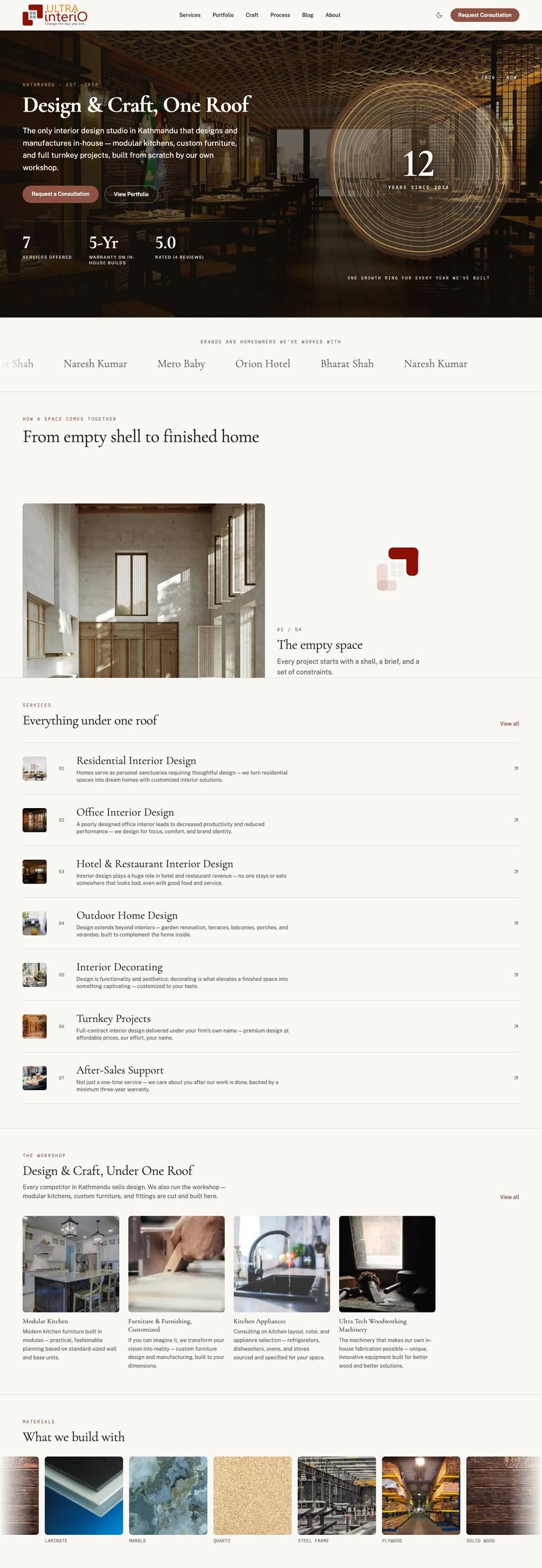
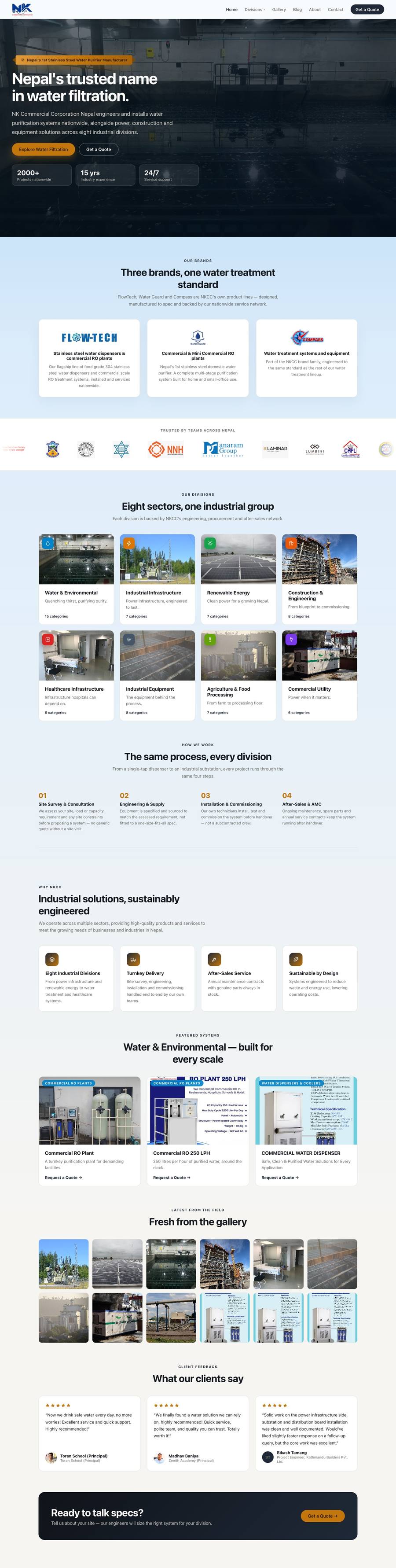

I like owning a feature all the way through: the data model, the API, the app, and the deploy.
At CareGene I work across the whole product: the iOS app, the web side, database and architecture design, and the backend. For clients I build whatever software the business needs, from websites to ERPs and custom tools, and handle the design, back end, database and hosting myself. My own projects include Lumi, a personal AI assistant you host yourself, an encrypted sync app, a bike rental app, and a couple of other React Native apps.
- work
- CareGene: iOS, web, backend and infra, 2025 – now
- side
- Lumi (personal AI) and Pocketbridge (encrypted sync)
- clients
- websites, ERPs and custom software for businesses. Email me
Get in touch.
I build software for businesses: websites, ERPs and custom tools. For a project, a question, or a demo of anything here, email is the fastest way to reach me.